How Wise & Revolut Actually Move Funds, FATF rule change implications

A common misconception in cross-border payments is that money physically “travels” overseas.
In reality:
💡 Money never crosses borders. Only messages and ledger entries do.
And the real difference between services like Wise and Revolut is which ledgers get updated — and who controls the network.
How Wise Works — Local Settlement, Not Cross-Border Sending
Wise holds local bank accounts in many countries.
When you send money:
- You send funds to Wise’s local account in your country.
- Wise pays your recipient from its local account in their country.
- Your transfer does not have intermediary banks.
- It’s essentially domestic inbound + domestic outbound, coordinated globally.
👉 This is why Wise can avoid intermediary fees and deliver faster transfers.
Important nuance:
Wise may use Swift or local payment rails behind the scenes for treasury rebalancing — moving funds between accounts they own when a corridor becomes imbalanced.
But this is:
- internal,
- batched,
- not pacs.008 user transfers,
- and not part of your payment.
Your individual transfer still settles locally.
How Revolut Works — Multi-Currency Wallet + Traditional Banking Rails
Revolut functions more like a digital wallet:
- You hold multiple currencies inside one account.
- You convert them at interbank rates within your allowance.
- When sending money externally, Revolut chooses the appropriate rail:
- Revolut → Revolut: instant, internal
- EUR transfers: SEPA
- International transfers: SWIFT (with correspondent banks)
So Revolut’s internal transfers are modern,
but its external transfers still rely on the existing banking system
Additional Perspective: How Upcoming FATF Rules May Affect Wise’s Model
For example, consider a transfer from UK → Japan using Wise:
Bank A → Wise UK → Wise Japan → Bank B
Wise settles this as local-in, local-out transactions rather than a single cross-border wire.
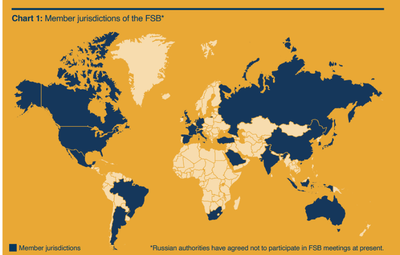
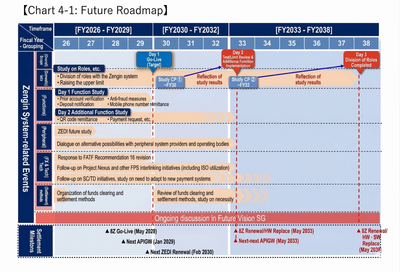
However, under the revised FATF Recommendation 16, expected to be fully implemented by 2030, payment service providers like Wise Japan will be required to transmit full originator and beneficiary information to the receiving institution Bank B
This means that Bank B in Japan would need detailed sender information from Bank A, and Wise Japan would be responsible for ensuring that this data is properly attached and transmitted, regardless of Wise’s domestic-settlement model
(related article on NIKKEI )
 日本経済新聞社


Member discussion